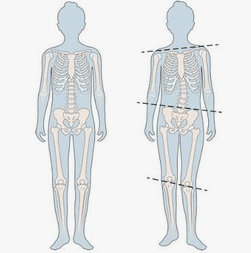
What is Limb Length Discrepancy (LLD)?
A condition where one lower limb appears to be, or is, shorter than the other. This can affect posture, gait, and lead to biomechanical changes.
1. Identify the type:
Two Types of LLD
Apparent/ Functional
True/ Structural
Bone lengths are equal
Discrepancy is caused by:
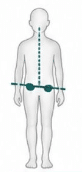
- Pelvic tilt
- Scoliosis
- Contractures
- Foot Deformity
- Postural Imbalance
Treatment involves correcting the underlying cause.
Bone lengths are not equal
Discrepancy may involve:
- Femur
- Tibia
- Both
Treatment may involve orthotic management
2. Identify the short segment
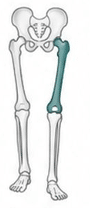
Short Femur
Biomechanical effect:
- Increased pelvic compensation
- Hip asymmetry
- Altered proximal mechanics
Orthotic Management:
- Shoe lift
- Full sole raise
- Restore pelvic alignment
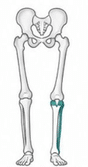
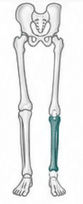
Short Tibia
Biomechanical effect:
- Altered foot-ground relationship
- Distal compensation
Orthotic Management:
- Shoe lift
- Foot orthotics
- Potential AFO for stability
3. Assessment
- Confirm if the discrepancy is structural or functional
- Measure the discrepancy
- Determine is femoral or tibial involvement
- Observe gait
- Assess pelvic alignment
- Assess compensation pattern
4. Prescription
- Small Discrepancy- add a heel lift
- Moderate Discrepancy- full sole build up
- Complex cases- combined orthotic intervention
- Note: in patients who have adapted and compensated fully to the discrepancy, avoid immediately trying to achieve a full correction.
4. Trial and Reasses
Success is achieved when:
- Pelvis becomes level
- Gait symmetry improves
- Energy expenditure reduces
- Comfort increases
- Secondary pain decreases